-
Helpline: +01 234 567 8900
 English
 Arabic


How to dress casual without looking sloppy
How to Dress Casual Without Looking Sloppy

 09 July 2025
Casual
style gets misunderstood all the time. Somewhere between comfort and
indifference, a lot of guys end up in outfits that look more like they’re
running late for class than confidently off-duty. The reality? Dressing
casually doesn’t mean dressing carelessly.
Well-done
casual style is about intention. It’s about quiet decisions—on fit, texture,
condition—that collectively send a clear message: you’re relaxed, but still
paying attention.
Here’s
how to keep things low-key without letting them slide into lazy.
In This Article
3.
Clean Footwear and Grooming

Focus on Fit
First
Most
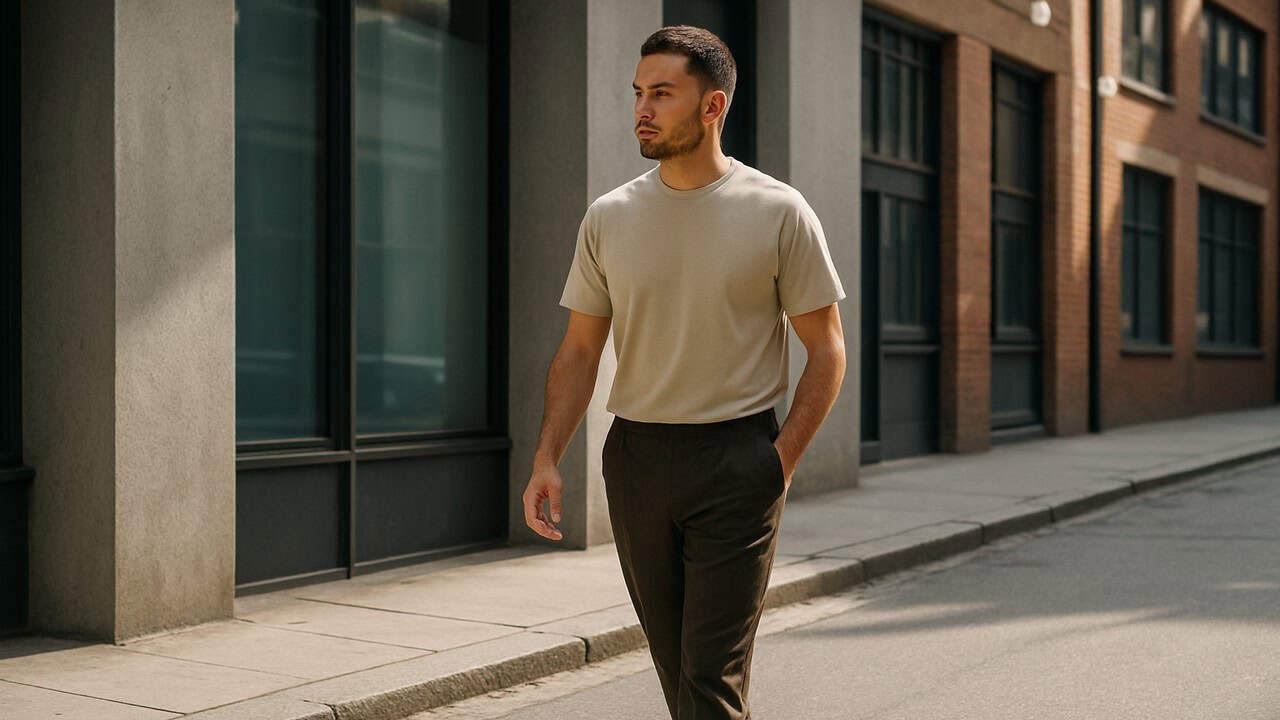
sloppy-looking outfits aren’t ruined by the clothes themselves—they’re ruined
by how those clothes fit. Even a basic T-shirt and chinos can look dialed-in if
the proportions are right.
Avoid
pieces that are too tight or too oversized unless they’re specifically styled
that way. Instead, aim for that in-between fit: sleeves that hit mid-bicep,
pant hems that break cleanly or taper above the ankle, and seams that sit
properly on your shoulders.
The
best casual outfits give your body shape without clinging. That balance alone
can elevate even the most basic look.
Pick Elevated
Basics
When
you’re dressing casually, the quality of your basics becomes everything. A
paper-thin tee with a stretched neckline or faded graphics isn’t going to do
you any favors. Swap it for a heavyweight cotton T-shirt, a knit polo, or a
henley in a neutral tone. The added texture and structure give your outfit
visual weight—even when it’s simple.
Natural
fabrics like cotton, linen, and wool blends also help. They wear better, drape
more naturally, and age with character instead of looking worn out. Keep
graphics minimal (or skip them altogether) unless it’s part of your personal
style.
Think
in terms of upgraded comfort—pieces that feel like sweats but wear like
staples.
Clean
Footwear and Grooming
Casual
doesn’t mean dirty. Your sneakers, loafers, or slip-ons should be clean and
well-maintained. Worn-out soles, dirty laces, or scuffed leather instantly
undercut the rest of the look.
And
don’t forget grooming. Even the sharpest outfit falls flat if your hair looks
like it hasn’t met a comb in days. Casual style works best when there’s
contrast—comfortable clothes paired with clean skin, neat facial hair, and some
evidence that you’ve looked in a mirror before leaving the house.
Details
matter, even when the outfit is easy.

Final Thought
Casual
dressing works when it’s built on intention, not autopilot. You don’t need to
wear designer pieces or layer five items. You just need clothes that fit well,
feel good, and show you cared enough to make a few smart choices.
Relaxed
doesn’t have to mean forgettable.
3 Things Stylish Guys Do That Have Nothing to Do With
Clothes

 09 July 2025
Style
isn’t just about what you wear—it’s about how you carry it. The best-dressed
guys always look put-together, but it’s rarely just the outfit doing the work.
There’s a difference between wearing nice clothes and inhabiting them with
presence, clarity, and confidence.
The
truth is, certain habits upgrade your appearance more than another pair of
expensive shoes ever could. They don’t come from a wardrobe refresh. They come
from how you move through the world.
Here
are three things stylish guys do that have nothing to do with what’s in their
closet.
In This Article
1.
Posture and Physical
Presence
2.
Grooming and Skin
Maintenance

1. Posture
and Physical Presence
No
outfit looks good if your posture is collapsing under it. The difference
between looking sharp and looking like your clothes are wearing you often comes
down to body language.
Stylish
guys stand with a straight spine and a grounded stance. Shoulders aren’t
stiff—but they’re set. The head isn’t tucked down or jutting forward. There’s a
calm energy to the way they occupy space, and it changes how every garment
hangs.
Better
posture isn’t about looking “bigger.” It’s about looking more engaged with your
environment. Whether you’re in a basic T-shirt or a tailored jacket, good
posture makes everything feel sharper, more deliberate.
And
the bonus? It’s free.
2. Grooming
and Skin Maintenance
Clothes
get all the credit, but grooming does just as much to shape how you’re
perceived. Clean nails. Moisturized skin. A beard or haircut that looks like it
was maintained on purpose.
None
of this has to be high-maintenance. You don’t need a 10-step skincare routine
or weekly fades. You just need to avoid looking like you forgot the mirror
existed.
Stylish
guys tend to look polished even when they’re dressed down, and that’s not an
accident. A clear complexion and a defined neckline say more about self-respect
than any watch ever could. People notice when you’re paying attention to
yourself—even in subtle ways.
3. Energy and
Communication
You
can wear the best-fitting jacket in the room, but if your energy feels anxious
or withdrawn, it undercuts the whole vibe. Style isn’t just about how you
look—it’s about how you interact.
That
means making confident eye contact without staring people down. Speaking in a
relaxed, clear tone. Being present in conversations. The guy who leans in,
listens well, and moves with calm energy? He’ll always seem more stylish than
the guy checking his phone mid-sentence, no matter what either of them is
wearing.
These
behaviors build an aura of confidence, which is often the missing link in great
style. You can’t fake it with accessories.

Final Thought
Style
is visual, yes—but it’s also behavioral. The way you stand, groom, and connect
with people can elevate your presence just as much as fit or fabric. Clothes
matter, but they’re only part of the equation.
Start
with these habits. The next time you walk into a room, you’ll notice the
difference—even if your outfit is the same.
What Guys Get Wrong About ‘Effortless’ Style

 09 July 2025
The
word “effortless” gets thrown around constantly in menswear. Scroll Instagram
or flip through a magazine and you’ll see it: models in simple outfits that
somehow look sharp without trying. Friends with great style claiming they “just
threw something on.” The implication? Looking good doesn’t take effort. But
that idea couldn’t be more misleading.
In
reality, effortless style isn’t about not caring—it’s about caring just enough.
It’s not about throwing things on at random. It’s about having a system so
dialed in that you can get dressed quickly—and still look put-together. That
ease is earned, not accidental.
In This Article
3.
Don’t Mistake Lazy for
Low-Key
The Myth of
Not Caring
“Just
threw this on” is one of the most common lies in style. People who dress well
rarely wing it. What looks easy is almost always the result of deliberate
choices made in advance—well-chosen staples, a personal color palette, knowing
which fits flatter their body, and grooming that doesn’t scream for attention
but still signals effort.
The
guys who look great in a T-shirt and jeans? They’re not lucky. They’ve figured
out which cuts work best for their build, which shoes balance the proportions,
and how to rotate accessories for polish. The outfit may look chill, but
there’s structure underneath it.
Mistaking
effortlessness for apathy is what keeps most men in the cycle of average
outfits.
What Real
Effortless Style Looks Like
Effortless
doesn’t mean trendy. It means intentional, low-fuss consistency. Start with
well-fitting basics: T-shirts that skim the body without clinging, jeans that
hit at the right spot on the ankle, jackets with clean lines. If you only wear
a few things, they need to fit you better than average.
Color
coordination matters too. The best effortless outfits rarely involve wild
patterns or clashing hues. Instead, they work in tight palettes—think navy,
olive, black, beige—and repeat tones subtly throughout the look.
And
grooming counts. A clean fade, a trimmed beard, moisturized skin—these are
quiet details that elevate the whole package. You don’t need to look “done,”
but you do need to look like you chose to show up.
Don’t Mistake
Lazy for Low-Key
Wearing
wrinkled shirts or dirty sneakers isn’t laid-back. It’s lazy. The whole appeal
of effortless style is that it reads as natural confidence. But confidence
doesn’t come from being sloppy. It comes from knowing you look good without
needing to announce it.
Guys
often confuse restraint with indifference. The difference is in the details. A
low-key outfit still requires fresh laundry, unscuffed shoes, sleeves pushed
just right, and posture that makes the clothes work for you. Casual isn’t
careless.
Subtle
effort is still effort—it just doesn’t scream for attention.

Final
Thought
Effortless
style isn’t something you’re born with. It’s a skill you build. And like any
skill, it hides the work behind it.
So
next time someone says “you make it look easy,” take the compliment—but know
the truth. You didn’t throw it on. You showed up with intention—and made it
look simple on purpose.
The Case for Owning a Weird Jacket (And How to Style It)

 09 July 2025
You
don’t need a whole new wardrobe to feel like you have range. Sometimes, you
just need one standout piece that makes the rest of your closet feel fresher.
Enter: the weird jacket.
A
weird jacket isn’t necessarily loud for the sake of it. It’s just different
enough—through color, print, or cut—that it stands out in a lineup. And when
styled right, it does something most clothes don’t: it makes even the most
basic outfits look intentional.
If
you’ve ever felt stuck in a rotation of the same outfits, here’s why adding a
single oddball jacket could be the upgrade your style didn’t know it needed.
In This Article
1.
What Counts as a Weird
Jacket

What
Counts as a Weird Jacket?
Not
every interesting jacket needs to look like it came from a runway. A “weird”
jacket is simply one that pushes slightly past your personal norm. That could
mean a vintage windbreaker with unexpected paneling. Or a jacket in a color
you’d never usually wear—like rust, lilac, mustard, or even neon green. It
might be a chore coat with cropped proportions, or a varsity jacket with extra
volume in the sleeves.
Prints
also qualify. Think paisley bombers, floral shirt-jackets, or plaid outerwear
with colors that shouldn’t work together—but somehow do.
The
weirdness isn’t about being outrageous. It’s about breaking out of autopilot.
How to
Balance It
The
trick to pulling off a weird jacket is knowing how to ground it. You don’t want
the rest of your outfit competing for attention. Think of the jacket as the
headliner—the supporting cast needs to know their role.
Start
with neutral basics: a white tee, straight-leg jeans, minimalist sneakers, or
boots in a muted tone. Black, navy, olive, cream—these are your best friends
here. If the jacket is bold in color, keep your shirt and pants monochrome. If
the silhouette is unusual, stick to more classic cuts underneath.
And
don’t over-style it. The goal isn’t to build an outfit around the jacket—it’s
to wear it like you didn’t overthink it. Throw it on like any other layer, and
let it speak for itself.
When
to Wear It
Not
every occasion calls for a statement. But that’s exactly what makes weird
jackets so useful—they shine on low-stakes days when you still want to feel
like you made a choice.
Off-duty
weekends, casual meetups, errands, coffee runs, or anything in a creative
setting? That’s prime weird-jacket territory. It adds personality without
requiring effort. You’re still wearing the same tee and pants—but now you look
like someone who has a point of view.
Weird
jackets also double as social armor. They start conversations, get compliments,
and make you memorable. You don’t need five of them. Just one that adds energy
to your everyday rotation.

Final
Thought
You
don’t have to overhaul your closet to dress with more personality. You just
need one jacket that breaks the routine. Something that feels slightly
offbeat—but unmistakably you.
Own
one weird jacket. Wear it often. Let it do the work for you.
Why Your Outfit Shouldn’t Match — and What to Do Instead

 09 July 2025
We’ve
all heard the old advice: match your shoes to your belt, your metals to your
watch, your tones head to toe. But here’s the problem—when you take that advice
too literally, your outfit stops looking styled and starts looking staged.
Exact
matching might feel like the safe move, but it flattens your look. It removes
contrast, kills dimension, and makes your clothes feel more like a uniform than
personal style. Dressing well isn’t about getting everything to align
perfectly. It’s about creating balance that feels natural—and more importantly,
intentional.
In This Article

What
“Matching” Gets Wrong
Matching
often starts with good intentions: you’re trying to look pulled-together. But
too much alignment sends the opposite message. It looks like you’re trying to
follow a rulebook instead of wearing clothes that reflect your taste.
Think
about the classic overmatched look: black shoes, black belt, black watch strap,
maybe even a black jacket. Every piece checks out individually—but together,
they feel rigid. There’s no texture, no variation, no depth. It’s style by
autopilot.
Another
common trap is over-matching color. A forest green shirt with a forest green
cap and forest green sneakers doesn’t look stylish—it looks like merch.
Subtlety and variety are what make an outfit feel thoughtful, not copy-pasted.
Focus
on Coordination Instead
Instead
of matching, aim for coordination. That means building your outfit around a
base palette and mixing elements that speak to each other without shouting the
same thing.
Let’s
say you’re wearing olive chinos. Rather than reaching for shoes in the same
exact tone, try brown suede loafers or neutral sneakers. Add a tee in off-white
or charcoal, and layer with a shirt that picks up a related tone—maybe a soft
tan or deep rust. The colors are different, but they relate. They’re all
pulling from the same earthy spectrum, which gives your outfit harmony without
repetition.
You
can also repeat one element strategically. That might be a color family—like
mixing different shades of blue across jeans, jacket, and accessories. Or it
could be a consistent texture (e.g., canvas bag, twill pants, and a cotton tee)
that ties everything together. Even small details—like silver metal in both
your jewelry and belt buckle—can unify the look without feeling overly matched.
Try
Controlled Contrast
If
you want to step up your style with minimal effort, introduce controlled
contrast. Pair earthy tones—like camel, olive, or cream—with black to ground
the look. Or mix navy with soft greys or tans to keep things fresh but refined.
Controlled
contrast is what gives your outfit energy. It creates visual interest and helps
each piece stand on its own. A navy overshirt over a white tee, with stone
chinos and brown boots, feels dynamic and confident—because the pieces aren’t
competing or mirroring each other. They’re working together, not matching up.
The
best outfits don’t follow a formula. They follow a rhythm—consistent but never
identical.

Final
Thought
Dressing
well isn’t about lining everything up. It’s about knowing when to pull back,
when to contrast, and when to connect the dots with subtle moves. Matching is
easy—but coordination is what shows taste.
Forget
the rules about belts and shoes and watch straps. Focus on balance, contrast,
and cohesion. That’s how you get noticed for style—not for sticking to a
script.
How to Wear White Pants Without Looking Like You Tried Too
Hard

 09 July 2025
White
pants get a bad rap. Some people see them and think “attention-seeking,” “too
fashion-y,” or worse—“vacation dad.” But worn right, white pants don’t have to
feel precious or performative. They can be understated, masculine, and quietly
confident.
The
key isn’t boldness. It’s balance. If the rest of your outfit does the heavy
lifting, white pants become just another well-chosen piece—not the main
character.
Here’s
how to wear them without looking like you tried too hard.
In This Article

Start
with Fabric and Fit
Not
all white pants are created equal. If you’re reaching for anything shiny,
stretchy, or styled like clubwear, you’re already off track. The sweet spot is
in textured, substantial fabrics—denim, cotton twill, or linen blends that feel
broken-in and breathable.
Fit
matters more here than with darker colors. Straight or relaxed cuts work best.
Skinny white pants often look dated or too polished. Go for a silhouette that
moves easily and doesn’t cling. The more natural the drape, the more confident
the look.
A
little structure helps too. A white jean with a slight crop, or a linen trouser
with a pleat and a cuff, gives the impression that you know what you’re
doing—even if you don’t.
Stick
to a Neutral Palette
When
wearing white down low, the easiest way to ground the outfit is by muting
everything else. That means steering clear of bright colors or busy prints up
top. No loud florals, neon, or experimental patterns.
Instead,
lean into navy, olive, beige, grey, or washed black. A navy tee or light grey
sweatshirt over white jeans looks effortless. A beige overshirt or olive linen
button-up over white trousers gives you texture and tone without feeling like a
fashion experiment.
The
idea is to let the pants feel like a choice—not a spotlight.
Use
Texture and Layers for Balance
White
reflects light, so it naturally draws the eye. To keep the outfit from feeling
too airy or stark, add texture and visual weight through layering.
In
cooler weather, a knit sweater or structured overshirt can anchor the look. In
summer, a camp-collar shirt or a light chore jacket adds just enough detail to
feel deliberate. Even something as small as a textured belt or low-profile hat
helps break up the brightness.
Your
footwear should follow the same rule: clean, not loud. White sneakers work, but
so do taupe loafers, tan sandals, or suede chukkas. Avoid overly formal
shoes—they can make the whole outfit feel stiffer than it needs to.

Final
Thought
White
pants don’t have to feel like a big swing. Worn right, they look easy, sharp,
and totally unfussy. The trick is not to overstyle or overthink them. Keep the
colors grounded, the textures real, and the silhouette relaxed.
You’re
not trying to make a scene—you’re just showing up like someone who pays
attention to the details.
Why the Fit of Your Clothes Matters More Than the Brand

 08 July 2025
You
can wear head-to-toe designer and still look underwhelming. On the flip side,
someone in a $15 thrifted jacket can look like they walked out of a style
campaign. The difference? It’s not the logo on the tag. It’s how the clothes
fit.
Good
fit is what makes clothes feel expensive—even when they’re not. It shapes the
way others see you and the way you see yourself. And once you understand the
difference between a garment that just “goes on” and one that actually fits,
it’s hard to unsee.
In This Article

What
Good Fit Actually Looks Like
It
starts at the shoulders. If a shirt or jacket hangs past the edge of your
frame, it swallows your shape. If it’s too tight, it pulls and distorts the
seams. A clean shoulder line that aligns with your bone structure instantly
sharpens the look.
Sleeves
should hit just at the wrist—not halfway up your hand, and not awkwardly short.
Pants should break cleanly at the ankle or top of the shoe, depending on style.
No stacking unless it’s deliberate. No puddling unless it’s styled. Length and
proportion aren’t just technical—they’re what signal that a piece was chosen
for you, not borrowed from someone else.
The
waist matters too. A slim, tailored shape isn’t about being tight—it’s about
eliminating excess. When a shirt or jacket naturally tapers without pulling, or
pants hug the hips without bunching, you look composed. Even if you’re in a
hoodie.
The
Most Common Fit Mistakes
One
of the biggest mistakes guys make is buying clothes that are too big in the
name of comfort. Oversized can work when it’s intentional, but most of the
time, it just looks like you’re wearing someone else’s clothes. A hoodie that’s
two sizes up doesn’t make you look relaxed—it makes you look like you haven’t
figured out your size.
Another
mistake: never tailoring the basics. Most clothes aren’t designed to fit your
body off the rack. A simple hem, taper, or sleeve adjustment can take an
average piece from passable to premium. Skipping this step is like buying a
great pair of shoes and never tying the laces.
Then
there’s proportion. Pairing slim jeans with a bulky puffer can look
off-balance. Wearing wide-leg pants with a boxy tee can flatten your frame.
Great outfits usually have one anchor—structured up top, or flow down below—not
volume everywhere.
How to
Fix Fit Without Buying New Clothes
You
don’t need a brand-new wardrobe to look better. You just need to adjust the
pieces you already own.
First
stop: the tailor. Shortening sleeves, slimming trousers, or taking in the torso
of a shirt are all low-cost fixes with high return. If you’ve never had clothes
tailored before, start with a pair of pants and a button-down. The difference
is immediate.
Second:
DIY tweaks. Cuff your sleeves or hem your pants with a clean roll. Add a French
tuck. Even layering a fitted jacket over a looser base can create a sharper
silhouette without touching a needle.
Sometimes
it’s about subtraction. A hoodie looks better when it’s not drowning in extra
fabric. A shirt tucked just slightly at the waist adds shape without effort.
Fit doesn’t mean tight—it means aligned with your frame, your proportions, your
presence.

Final
Thought
Brand
might give you a name. But fit gives you style.
You
can elevate every piece in your closet—no matter the price tag—just by paying
attention to how it falls on your body. Focus on your shape, not the store.
That’s where real style starts.
This One Trick Makes Any Outfit Look More Intentional

 08 July 2025
Sometimes
it’s hard to explain why an outfit looks “off.” Every piece might fit. The
colors might technically match. But something still feels slightly
disconnected—like your clothes were picked in a rush, not worn with purpose.
Here’s
the truth: it’s rarely about adding more. It’s about cohesion—and there’s one
trick that consistently brings that to your outfit.
Use
a visual anchor.
Whether
it’s a color that gets repeated, a texture that ties top and bottom together,
or a single standout piece that everything else supports, this move is what
separates a decent outfit from a dialed-in one.
In This Article
2.
Plan Around

Use a
Visual Anchor
The
simplest way to make your outfit feel styled—not thrown on—is to connect the
dots. That usually starts with one visual element that grounds the look.
Color
is the most obvious move. Try matching your shoes to something up top—a navy
sneaker with a navy overshirt, or olive pants with a beanie in the same tone.
Even if everything else is neutral, that repetition reads as intentional.
Texture
also works. A denim jacket with dark jeans isn’t a Canadian tuxedo—it’s
cohesion, as long as the shades are slightly different. A chunky knit and suede
boots can echo each other in warmth and softness. When the top and bottom share
a tactile quality, the outfit feels unified—even when the pieces are basic.
Contrast
can also be the anchor. One bold item—a bright jacket, colorful sneakers, or
patterned overshirt—can center an otherwise quiet outfit. The key is to let the
statement breathe. Everything else should support it, not compete.
Plan
Around One Hero Item
Every
strong outfit has a focal point, even if it’s subtle. Instead of thinking
top-to-bottom or front-to-back, start with the one piece you’re excited to
wear, and build from there.
If
it’s a standout pair of sneakers, keep the pants cropped and the rest of the
look understated. If it’s a vintage overshirt or leather jacket, let that shape
the fit, tone, and attitude of everything underneath. Even something as small
as a watch or bag can be the anchor—especially if it introduces color, metal,
or leather that’s echoed elsewhere.
This
doesn’t mean every outfit needs a hero item. But choosing one thing to build
around makes the rest of the look fall into place faster—and more coherently.
Do the
Mirror Test
Before
heading out, give your outfit a 5-second scan in the mirror. Don’t analyze—just
notice.
Does
the look feel balanced top to bottom? Do the colors feel connected? Is there
too much going on in one area, or too little in another?
If
something feels forced, remove it. A hat that doesn’t tie in with anything. A
necklace that competes with the shirt. Simplifying is often what makes the
outfit stronger. It’s not about stripping away personality—it’s about letting a
few things speak clearly, instead of everything speaking at once.

Final
Thought
Looking
intentional doesn’t require more clothes or designer pieces. It requires
coordination—a simple sense of balance that makes the outfit feel composed.
When
in doubt, anchor the look. Repeat a color. Highlight a texture. Choose one
piece to lead—and let everything else follow. That’s the trick. And once you
start doing it, you’ll notice the difference every time.
3 Outfits That Always Work When You’re in a Rush

 08 July 2025
You
overslept. You’re running late. You’ve got six minutes to get out the door—and
somehow, every item in your closet suddenly looks off. On mornings like this,
thinking clearly about clothes is off the table.
That’s
where fallback outfits come in.
Think
of these as your style autopilots: looks that take zero mental energy but still
leave you looking pulled-together. The secret is building these formulas in
advance so that on the chaotic mornings, you’re not guessing—you’re grabbing.
Here
are three no-fail outfits that always work when you’re in a rush.
In This Article

1. The
Clean Casual
White
tee + dark jeans + bomber jacket + sneakers
This
one is basically the cheat code for casual days. A well-fitting white T-shirt
is one of the most versatile pieces in any guy’s wardrobe. Pair it with dark
denim—no rips, no weird washes—for a more elevated base.
Throw
on a bomber jacket in a neutral tone (black, olive, navy) and finish with clean
sneakers. Low-top white leather sneakers are the default, but dark trainers
work just as well. If you’re heading out for errands, coffee, or even a casual
office, this outfit reads relaxed but deliberate.
The
key here is fit. Even the most basic pieces feel styled if they hug the right
places and stop at the right length. No bagginess. No saggy collars. Keep the
tee crisp and the jacket structured, and you’re good.
2. The
Elevated Basic
Oxford
shirt + chinos + loafers
When
you want to look a little more intentional—think dates, lunch meetings,
last-minute dinner plans—this combo nails it without trying too hard.
A
classic oxford button-down brings polish without feeling stiff. Go with light
blue, white, or even a subtle stripe. Chinos in tan, olive, or navy give
structure and pair easily with most shirts.
Loafers
(or clean derbies, if you prefer) elevate the look without slowing you down. No
lacing required. Add a slim belt if needed, but this outfit holds its own even
without one.
It’s
stylish but safe—the kind of look that works in almost every smart-casual
situation. And it requires about 90 seconds of decision-making, max.
3. The
Athletic Polished
Hoodie
+ tailored joggers + overcoat + trainers
If
you’re traveling, heading to the airport, or just don’t feel like “dressing
up,” this is the look that lets you stay comfortable and still feel like you
tried.
Start
with a fitted hoodie—no graphics, ideally in a dark neutral. Add tailored
joggers or tech pants (not gym sweats) to keep the silhouette clean. Layer on a
structured overcoat or trench in wool or a water-resistant fabric. The outer
layer instantly upgrades the whole fit.
Finish
with sleek trainers and a crossbody or tote. You’ll look like someone who has
errands and style. This combo balances comfort and intention, making it ideal
for off-duty days when you still want to feel composed.

Final
Thought
When
you’re short on time, a fallback outfit can save you from the regret that comes
with a rushed decision. Build two or three combinations that feel true to your
style—and put them on mental speed dial.
The
goal isn’t to dress like a fashion editorial. It’s to look in the mirror, even
on the most chaotic morning, and think: Yeah. That works.
What to Wear When You Want to Disappear (But Still Look
Good)

 08 July 2025
Not
every outfit has to make a statement. Some days, you want to blend in—move
through your errands, the subway, the office lobby—without turning heads. But
wanting to disappear doesn’t mean looking like you gave up. It’s about
intentional invisibility: clean lines, restrained color, and the kind of
presence that doesn’t demand attention but earns it anyway.
Dressing
low-profile doesn’t have to feel like opting out. It’s a way to take up space
quietly—and still look like you know what you’re doing.
In This Article
1.
Go Neutral
3.
Details
4.
Final Word

Go
Neutral, Not Numb
The
easiest way to disappear in plain sight is with your color palette. Loud
graphics and bright tones register fast—especially in cities or public spaces.
Swap them for the tones that read as background but never boring: charcoal,
navy, olive, washed black, sand. These colors don’t mute you; they smooth you
out, visually. You’re still present, just not distracting.
What
matters is subtlety, not sameness. Monochrome is fine, but think in tonal
variation. A dark olive overshirt over a soft sage tee. Washed black jeans
under a charcoal hoodie. Keep contrast low and saturation even lower. And skip
anything with a logo, text, or print. If it reads like a billboard, it’s not
low-profile.
Fit
and Fabric Do the Talking
When
your look is pared back, cut and texture become the entire conversation. That
means your hoodie has to hang right, your trousers need the right break, and
the tee can’t sag at the collar. If something fits well, it looks
intentional—even if it cost $30.
This
is where fabric choice matters more than trend. A heavyweight tee drapes better
than a thin one. A brushed cotton overshirt looks finished where a synthetic
blend doesn’t. Stick to pieces that hold their shape and feel good to the
touch: soft twill, raw denim, compact knits. The clothes should look like you
care—just not that you’re performing.
Details,
But Quiet Ones
When
you’re not using pattern or bright color to build the look, structure and
finish have to carry the weight. The easiest move? A great jacket. A crisp
bomber, a clean overshirt, or even a pared-back trench adds instant intention.
It rounds out the silhouette. It gives you shape without flash.
Shoes
matter just as much. You want clean, adult footwear—no bulky dad sneakers or
distressed suede pretending to be personality. Leather sneakers, pared-down
boots, or slip-on loafers in black, brown, or grey all work. And keep them
clean. A scuffed shoe screams louder than a loud one.
Accessories
should be functional, not decorative. A cap in washed canvas, a leather watch,
or a minimalist tote is plenty. You’re not trying to be forgettable—you’re just
not asking for attention you don’t need.

Final
Word
Looking
good doesn’t always mean standing out. Some of the best outfits are the ones
that glide under the radar—where nothing’s flashy, but everything’s right. The
colors don’t clash. The fit feels deliberate. And the whole thing suggests you
know exactly what you’re doing, even if you’d rather not explain it.
Disappearing,
when done well, isn’t about hiding. It’s about showing up with clarity—and
letting the clothes speak just loud enough.
How to Dress Better Without Buying Anything New

 08 July 2025
The
biggest myth in men’s style? That looking better starts with buying something
new.
You
don’t need to overhaul your closet. You don’t need a shopping spree or a
capsule wardrobe checklist. You just need to approach what you already own with
a sharper eye and smarter intent.
Most
guys are sitting on a better wardrobe than they realize. Here’s how to unlock
it.
In This Article
1.
Step One
2.
Step Two
3.
Step Three
4.
Step Four

Step
One: Actually Look at What You Own
Start
with a wardrobe audit. Not a full-on Marie Kondo purge—just an honest scan.
What
fits right now? What’s in good condition? What are you not wearing—and why?
Pull
out your versatile basics: plain tees, jeans that fit, neutral button-downs,
lightweight jackets. These pieces are the backbone of your everyday style and
can be reworked into more combinations than you think.
If
some clothes feel “off,” it’s usually not the color or trend. It’s one of three
things:
- Poor fit
- Lack of care
- Repetitive or
uninspired styling
That’s
the real gap—not a missing piece of clothing.
Step
Two: Presentation > Price Tag
You
don’t need new pieces. You need to make your current ones work harder.
Fit Is
King (And Fixable)
Even
basic clothes look expensive if they fit well. Even expensive clothes look
sloppy if they don’t.
Take
note of pieces that almost work. A shirt that’s a little boxy? Sleeves that are
too long? Pants that bunch at the ankle? These can be tailored.
A
few simple adjustments—hemming pants, tapering sleeves, taking in the sides of
a shirt—can completely change how a piece looks and feels. And it’s often
cheaper than replacing the item entirely.
Care
Is Free Style
A
steamed shirt and clean sneakers are more impressive than a designer fit
covered in wrinkles.
Get
in the habit of:
- Ironing or
steaming before you wear something
- Washing clothes
on cold and hang-drying to prevent shrinking
- Spot-cleaning
stains and fixing small tears or missing buttons
Your
clothes should feel cared for, not forgotten.
Step
Three: Style Smarter With What You Have
Great
outfits don’t require more pieces—just more imagination.
Tucks
and Rolls
Try
a French tuck (front tucked, back out) for a more styled silhouette. Roll
sleeves to show forearms or create shape. These moves cost nothing and make the
outfit feel intentional.
Layering
= Depth
Layering
gives you more to work with. Toss a light jacket or overshirt over a tee. Layer
a crewneck over a button-down. Wear a hoodie under a blazer. These combos make
basics feel fresh.
Mix
the Unexpected
Pair
your dress shirt with chinos and sneakers. Or wear work pants with a soft
sweater. Contrast makes outfits more interesting—and you already own the tools.
Use
Accessories Thoughtfully
Chances
are you already have a few go-to accessories. A belt, a watch, a ring, or your
favorite sunglasses. Use them to add structure, texture, or a subtle statement.
Don’t
overlook socks either. A pop of color or print adds personality, especially in
neutral outfits.

Step
Four: Intentionality Over Everything
You
don’t have to be dressed up. You just have to look like you meant to dress the
way you did.
Dress
for What You’re Doing
Even
a trip to the store or a casual coffee deserves a little effort. Swap sweats
for jeans. Wear a real shirt. These moves take no extra time—but they signal
something about how you carry yourself.
Grooming
and Posture Count
Clean
shoes. Moisturized face. Good posture. These things instantly elevate your
outfit—even if you’re wearing a hoodie and jeans.
Know
What You Like
Pay
attention to what outfits make you feel good. That’s your style direction, not
the latest trend cycle.
Confidence
isn’t about standing out. It’s about feeling aligned in what you’re wearing.
Final
Thought
You
don’t need more clothes. You need more awareness of what you already have.
Start
by refining the fit, caring for the pieces, combining them in new ways, and
adding subtle detail. Then carry it all with clarity and purpose.
The
result? A more stylish version of you—built from the wardrobe you already own.
Recent Posts
Men Core

Timeless style. Arab roots. Designed for the modern man.